
How Much Does A BMW Wheel Speed Sensor Replacement Cost?
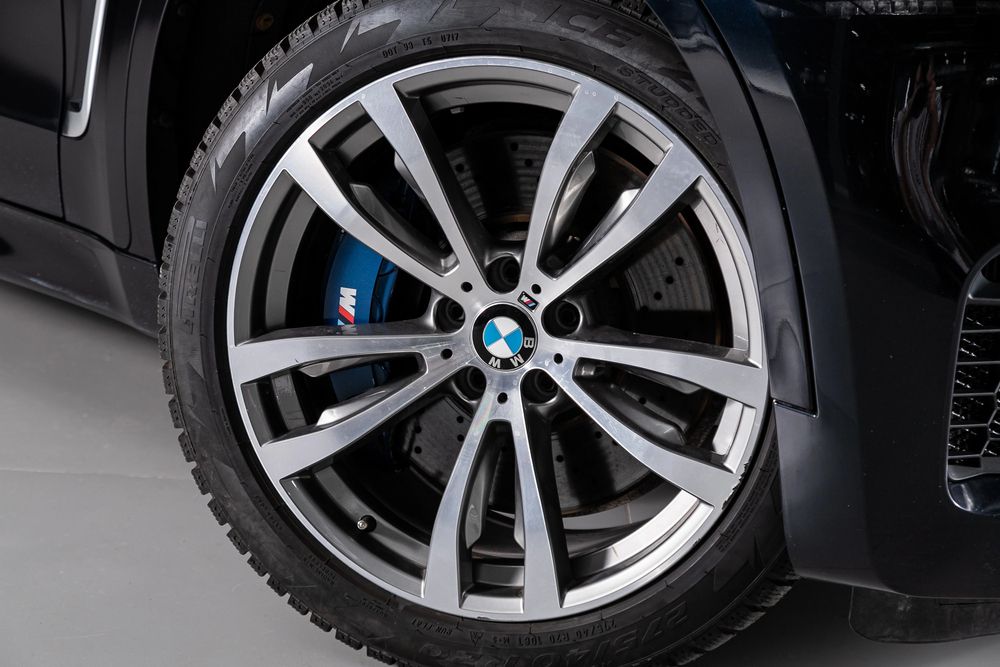
Many drivers start to worry when they see an ABS or traction warning light on the dashboard. One common cause is a faulty sensor, and many owners begin searching for the BMW wheel speed sensor replacement cost right away. A worn sensor affects safety and driving comfort. It also affects how the vehicle reacts during braking. A high-quality BMW wheel speed sensor keeps your vehicle stable on the road.
What a Wheel Speed Sensor Does
A wheel speed sensor monitors how quickly each wheel is turning and sends this information to the ABS and stability-control systems. Using this data, the vehicle can adjust braking force to prevent skidding or sliding, and it can also manage traction control more effectively. Because of this, the sensor plays an essential role in maintaining overall stability and safe handling.
When a sensor is damaged, it may send incorrect or inconsistent signals or no signal at all. This triggers warning lights and reduces the effectiveness of the vehicle’s safety features. Drivers often notice changes in braking feel, such as a slight delay when they press the brake pedal.
In many cases, the warning light will turn on and off as the sensor continues to fail. These issues become more common as the vehicle ages or when the sensor is exposed to dirt, corrosion, or water.
Typical Signs of a Failing Sensor
The first indicators are usually the ABS and traction-control warning lights. You may also experience uneven braking or feel vibrations during slow stops. In some situations, the vehicle may lock a wheel sooner than expected, especially during hard braking.
If the sensor wiring is worn, the problem may appear only in wet conditions. A corroded connector or damaged plug can create similar symptoms, and dirt buildup may also interfere with the signal. Some drivers try cleaning the sensor before replacing it, but heavy or recurring contamination often returns and eventually requires a new sensor.
What Impacts the Replacement Cost
The cost to replace a BMW wheel speed sensor can vary widely, and several factors influence the final price. One of the most important factors is the specific model of the vehicle. Larger models often use different sensors than compact models, and the location of the sensor can differ as well.
Some sensors are placed where they are easy for a technician to access, while others sit deep behind the brake assembly. This variation affects the amount of labour required, and labour time can change significantly from one model to another.
Local shop rates also play a role in the overall cost. Certain shops charge a higher hourly rate based on their experience or location, while others may offer a flat rate for sensor-related work.
The price of the part itself can vary depending on whether you choose an OEM or an aftermarket sensor. Many drivers prefer OEM parts because they are designed specifically for the vehicle and provide factory-level performance. OEM sensors tend to last longer and reduce the likelihood of future issues, which can lower long-term repair costs.
General Price Range
Most drivers pay between 150 and 500 dollars for a single wheel speed sensor replacement. The exact cost depends on the amount of labour required and the specific part number the vehicle needs. Certain BMW models use higher-priced sensors, and some repair shops may charge more for rear sensors than for front ones, which can influence the final total.
When a Sensor Needs Replacement Instead of Cleaning
Cleaning can help only when dust or light debris has collected on the tip of the sensor. It cannot repair corrosion, damaged wiring, or internal failure within the sensor body. Light cleaning is effective when you see a small amount of buildup or when brake dust has settled on the magnetic tip. A soft cloth is usually enough, and harsh chemicals should be avoided. After cleaning, the sensor can be reinstalled so the vehicle can be tested.
If the warning light returns immediately, the sensor likely needs to be replaced. This is very common on older vehicles because sensors near the wheels are constantly exposed to heat, moisture, and road contaminants. As the sensor ages, its readings become less accurate. Installing a new sensor restores proper ABS and traction control performance.
Why OEM Sensors Work Better for BMW Models
A BMW relies on highly precise electronics, and the wheel speed sensors play a direct role in systems such as ABS, DTC, DSC, and overall vehicle stability. Even minor errors in the data can create false alerts, which is why low-quality aftermarket sensors often cause inconsistent signals. These inconsistencies lead to repeated warning lights and can result in additional repairs over time.
Our competitive pricing allows customers to access high-quality BMW parts without incurring excessive costs. Fast shipping helps minimize vehicle downtime, and many customers are able to replace their sensors within the same week they place their order.
How a Technician Replaces the Sensor
To replace a wheel speed sensor, the technician first lifts the vehicle and removes the wheel. The sensor is located near the hub, and the technician carefully detaches the old sensor while following its wire to the connector. The new sensor is then clipped into place, and the wire is routed along the same path as the original.
Once installed, the technician clears any fault codes, and the vehicle completes a short drive cycle. The ABS and traction control lights should turn off once the system confirms a clean, accurate signal.
For vehicles where the sensor is easily accessible, the entire process often takes less than an hour. Models with more complex layouts or harder-to-reach sensors may require additional time.
How to Keep Your Sensors in Good Shape
Maintaining a clean sensor base helps prevent signal problems. Keep the area around the wheel hub free from excessive dirt, mud, or salt buildup. During the winter months, it is helpful to rinse the wheel area regularly. Light cleaning around the hub ensures the sensor surface remains clear and functional.
Damaged sensor wiring or cable covers can also cause problems. Check the wires if the wheel liner becomes broken or torn, as exposed wiring can allow water to reach the sensor plug and cause failure.
Why Many Drivers Choose Us for Replacement Parts
BMW OEM Parts Store offers genuine BMW and MINI parts at competitive prices. Customers feel confident using our factory parts because they match the original components installed on the vehicle. Our warehouse team handles orders with care, packing sensors securely to prevent damage during shipping.
We also provide guidance for drivers who want help selecting the correct sensor for their BMW. Our support team assists with part numbers and options, making the ordering process straightforward from start to finish.
Our M Certified status reflects our long-term commitment to high standards, in-depth brand knowledge, and excellent customer service. We combine this expertise with fast delivery and a friendly, helpful approac.
A Smooth Repair Starts with the Right Part
A faulty wheel speed sensor can feel stressful, but the repair is often straightforward. Installing a new OEM sensor restores full safety functions, clears warning lights, and ensures the vehicle operates as intended. Choosing the right part from the start keeps repair costs manageable and helps prevent repeated issues. Shop online now to restore your BMW’s safety systems.