
How Often Should You Change Your BMW Oil Filter For Better Fuel Efficiency?
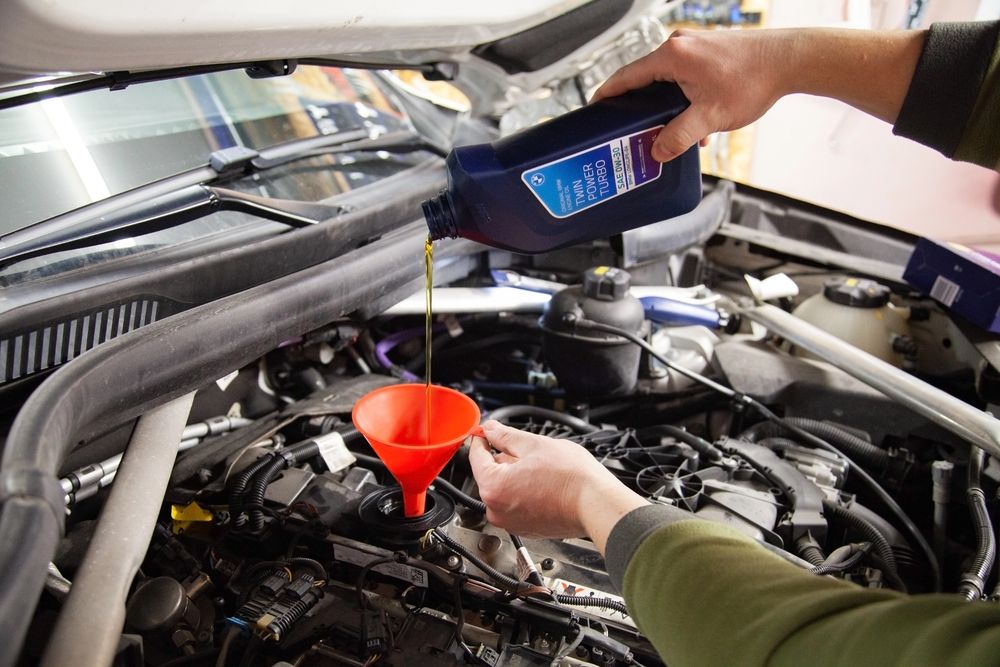
Many BMW owners ask how often to change oil filter because the right timing can make a clear difference in vehicle performance.
The oil filter traps dirt, metal particles, and debris before they circulate through the engine. Over time, contaminants build up inside the filter, which can restrict oil flow and cause the engine to work harder than necessary. Using genuine BMW oil filters adds reliability and helps maintain consistent oil circulation.
Replacing the filter at the correct intervals can help your BMW use fuel more efficiently and maintain smoother operation. In this article, we will discuss when to replace your oil filter, signs that it needs attention, and the benefits of using genuine parts.
Why the Oil Filter Matters for Fuel Efficiency
The oil filter in your BMW plays a critical role in keeping engine oil clean and effective. When a filter becomes dirty or clogged, oil flow slows and friction between engine components increases. Extra friction forces the engine to work harder, which can lead to higher fuel consumption over time.
Clean oil filters help the engine operate efficiently and reduce unnecessary resistance. Replacing the filter regularly lowers internal stress, supports smoother movement of engine parts, and helps your BMW stay closer to its original performance standards.
Recommended Intervals for Oil Filter Replacement
Most BMW models recommend replacing the oil filter during every oil change. For vehicles using synthetic oil, this typically falls between 7,500 and 10,000 miles. Driving habits and conditions can affect how often to change oil filter, especially in heavy traffic, extreme temperatures, or frequent short trips.
Checking your owner’s manual will provide model-specific guidance. Following these intervals keeps oil circulating properly, reduces buildup, and helps your engine maintain fuel efficiency. Even if your car seems to be running well, replacing the filter on schedule can prevent performance drops.
Signs That Your Oil Filter Needs Replacement
Some signs may appear before the scheduled service interval. Unusual engine noises, rough idling, or increased fuel use can indicate a clogged oil filter. Oil that appears dark or contaminated shortly after a change may also signal that the filter is no longer functioning well.
Noticing these warning signs early helps you decide how often to change oil filter based on real driving conditions. Prompt attention keeps the engine running smoothly and helps maintain consistent fuel efficiency.
Benefits of Using Genuine BMW Oil Filters
Genuine oil filters are designed to fit precisely and perform to the specifications of your engine. They allow oil to flow properly, reduce wear on moving parts, and help maintain fuel efficiency.
At the same time, genuine filters are made to handle the conditions inside BMW engines, protecting components over time and prolonging their life. Choosing original parts adds long-term value to your vehicle while making maintenance straightforward. Regular use of genuine filters helps your BMW operate efficiently and delivers a smoother driving experience.
Shop now for genuine oil filters and engine components to keep your BMW running efficiently and maintain fuel economy. Replacing the filter on schedule helps prevent engine wear and keeps performance steady. Using high-quality parts also improves reliability and smooth operation.
Find everything you need at the BMW OEM Parts Store.